Showing posts with label waterless cookware. Show all posts

Sunday, September 27, 2009

Frequently Asked Questions About Waterless Stainless Steel Cookware

If you have been considering the purchase of stainless steel cookware, you may have encountered ads featuring waterless cookware. For many, the world of “waterless cooking” is an unknown entity. As a user and vendor of waterless stainless steel cookware, I would like to address several of the most frequently asked questions regarding waterless cookware.

What is Waterless Cooking?
Waterless cooking has gotten a lot of publicity in recent months. Is it just hype? Actually, no! Waterless cooking really has been around for quite some time. Waterless cooking, unlike conventional cooking, uses minimal or no water. It relies instead on the natural moisture in the food. As a result, very few nutrients are lost in the cooking process. Lower cooking temperatures and steam-controlled cookware retains the natural juices of the food, enhancing their taste. When cooking vegetables, for example, simply rinsing the vegetables in water and shaking off the excess water provides enough moisture to cook the vegetables to the desired state of doneness. Obviously, dried foods, like beans, rice, pasta, etc, require more liquid to cook properly.

What is multi-ply?

Ply refers to the number of layers in the bottom of the encapsulated pan. Some refer to it as element. These layers are important because the number of ply or elements allows for even heat flow and durability. The aluminum conducts the heat well in the inner layers. However, it is not desirable on the outside because it corrodes and comes off on the food. The multi-layers include stainless steel on the entire outside (top and bottom) of the encapsulated bottom. The inner layers consist of aluminum, as well as other metals, that are considered to be better conductors of heat. These multi-layers spread the heat evenly, insuring that there are no "hot spots." The thickness of the cookware also reduces chances of the piece warping. Stainless steel protects the food and the cookware itself.

Recently there has been an increase in the number of layers or ply added to the cookware. For cookware to be classified as waterless, it must be at least 5-ply or have five layers. Our company features cookware that has 7-ply, 9-ply and even 12-ply construction. While extra ply will very minimally increase the weight of the pan, it does not mean that your food will cook any better or taste any different because of the extra layers. When considering the purchase of cookware, use factors other than multi-ply (such as number and type of pieces in the cookware set) to determine which set is the best choice for you.

What Is Waterless Cookware?
While all waterless stainless steel cookware is made out of quality stainless steel, not all stainless steel cookware is quality or waterless. To be classified as waterless, the cookware must meet 4 requirements.
  • A high-grade stainless steel must be used. Waterless cookware must be a minimum of 5-ply. You will often see advertisements for products with 7-ply or 9-ply or possibly more. To some degree, the layering is important. Stainless steel is a great material for waterless cooking, but stainless steel is not known for fast heat transfer. Thus, the addition of a layer of aluminum in the center of the stainless steel provides for the fast and even distribution of heat.

  • A Flat-bottomed pan is needed for efficient heat transfer. The bottom of a waterless cooking pan needs to be flat to provide for even heat distribution.

  • A thicker bottom plate is necessary to evenly distribute the heat. The special design of the encapsulated bottom of each stainless steel pot provides strength and rigidity that prevents warping. It also eliminates hot spots that may burn food. Heat is distributed evenly in all directions.

  • A special lid is used to keep the steam from escaping. Waterless cooking will not work if a proper seal cannot be formed. When a seal is created, it locks in the natural moisture that escapes from the food during the cooking process. Thus, foods are cooked in their own natural juices, retaining vital vitamins and minerals. This is really the key to waterless cooking—a vapor seal must be created.

While I cannot speak for other brands, I can tell you that our Maxam Stainless Steel Cookware meets the criteria above. Maxam Cookware has over 50 years of experience and research going into the production of its products. Further, this quality cookware can be purchased for a fraction of the cost of comparable quality cookware offered at the State Fair.

Why is your stainless steel product cheaper than some of the other waterless cookware brands?
There is virtually little difference between all of the quality cookware brands. One of the unique features of our brand is the steam-control valve on most of our sets. This valve on most of our lids helps you determine exactly when to turn the temperature down. Some of the other brands do not have this steam release valve. Generally, if a waterless cookware set is constructed of a high-grade stainless steel, such as 304 surgical stainless steel (used in all waterless cookware), the manufacturing company has a good reputation (Maxam has been around since the 1950s), there is a Factory Lifetime Warranty that includes a customer service address with every set, then you can be quite certain that you are receiving a quality, high grade set of cookware. We are not experts on other brands so it would be unfair of us to compare their product to ours. Some of these other cookware brands cost between $1000 and $2000 more. That difference in price between our product and theirs is not because of quality differences. More likely it is because of difference in marketing. With our product, you are dealing with the wholesale market rather than the retail market. Many of the higher priced brands are shown at home shows, county and state fairs, etc. and require a much greater marketing budget than our form of sales.

We hope you found this information helpful. If you decide that you would like to investigate stainless steel cookware further, visit our site – The Gourmet’s Cookware. Not only do we provide additional information about waterless cooking, we have also included some great waterless cooking recipes.

Marcia Klun is the owner and webmaster of www.thegourmetscookware.com, a site that offers quality stainless steel products, such as waterless cookware sets, stockpots, cutlery, skillets, flatware, and other gourmet cooking essentials. In addition, the site offers relevant information about waterless cooking and provides a variety of healthy recipes that can be adapted to waterless cookware.

Thursday, September 24, 2009

Diet, Exercise and Waterless Cookware—Keys to Healthy Lifestyle!

In recent years the percentage of overweight and obese individuals has become a cause for real concern. As a nation, Americans are definitely getting fatter! According to the National Center for Health Statistics, more than 34 percent of Americans are obese, compared to 32.7 percent who are overweight. Even more disturbing is that today 12.5 million children are overweight in the United States—more than 17 percent. Overweight children are at greater risk for serious health conditions. While those statistics are alarming, we can take action to insure that we do not become one of those statistics. The situation is never hopeless. Each and every one of us can do our part to promote healthy eating and proper exercise to prevent and overcome obesity in our country.

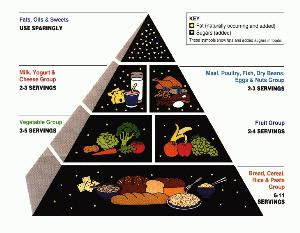
The Food Pyramid promoted by the Food and Drug Administration that had consisted of 4 basic groups has become obsolete. In 1992 the FDA began revising this chart focusing on a diet high in healthy vegetables, lean meat and low in processed, high-glycemic carbohydrates. The following food guide provides examples to help you make better nutritional choices

Foods to Focus On (Priority 1)


  • Healthy Vegetables – 4 to 9 servings per day; examples: carrots, green beans, broccoli, spinach, asparagus and other green vegetables. 1/2 cup cooked or 1 cup raw = 1 serving

  • Healthy Proteins – 2 to 4 servings per day, examples: low-fat cottage cheese, seafood, lean meats, and skinless poultry, 3 to 4 ounces or 1/2 cup = 1 serving

  • Healthy Fats – 2 to 6 servings per day; examples: 1 tsp. olive oil or sesame oil, 2 – 3 Tbsp. nuts and seeds, or 1/4 avocado

  • Healthy Carbohydrates – 1 to 4 servings per day, examples: pears, apples, dates, oranges, and cherries, milk plain yogurt, legumes, whole-wheat grain, rice bran, yams, sweet potatoes, and pasta cooked al dente (firm to the bite), 1/2 cup = 1 serving
Foods with Some Nutritional Values

  • Moderate Carbohydrate Foods: 2 to 4 servings per day; examples, apricots, papayas, fresh pineapple and raisins, 1/2 cup = 1 serving

  • High Carbohydrate Foods – these foods should be limited to 1 serving per day; examples, white rice and breakfast cereals, 1/2 cup = 1 serving. Choose long-grain or brown rice and whole grain breakfast cereals

Foods that Should be Consumed Sparingly

  • Sugar and sugar based foods; examples, sugar, candy, sweets, processed foods

The health benefits of fruits and vegetables are well-known and well-publicized. Studies by the U.S. Department of Health and Human Services, U.S. Department of Agriculture, and the National Academy of Sciences suggest that the nutritional goodness of fruits and vegetables, with a diet that is low in fat, saturated fat and cholesterol and that contains plenty of whole-grain breads and cereals, may decrease the risk of heart disease and cancer. Whether you are trying to lose 5 pounds or 50 pounds, this statistic provides an incentive for change.

There is no doubt that fruits and vegetables offer protective aspects as well as nutritional value. Now, through the use of waterless cookware, you can maximize that nutritional impact. Do you know that waterless cooking retains 98% of the minerals, while boiling food the old-fashioned, conventional way destroys an average of 42% of the food's minerals?

You too can enjoy this wonderful method of cooking with multi-ply stainless steel waterless/greaseless cookware. Foods cooked via the waterless technique help retain the greatest percentage of nature’s health-giving minerals and vitamins because a food's water soluble nutrients are dissolved and lost when then food is cooked in water. There is no need to peel! Cooking with waterless cookware eliminates the need to strip away the flavor-and-nutrient-rich skin. For most fruits and vegetables, a gentle scrub is all that is necessary before cooking.
The greatest favor you can do for your family is to prepare food that provides maximum nourishment. Foods cooked over a low heat with minimum moisture have more flavors. Vegetables and fruits retain appetizing colors; meats can be roasted on top of the stove and become tender, juicy and delicious. And, you can cook without oil or grease, reducing calories and cholesterol.

There are many reputable vendors on the Internet that offer quality waterless stainless steel cookware at affordable prices. Before making that purchase, shop around. Most importantly, learn all you can about waterless cookware and waterless cooking. Once you’ve made an informed decision, I can assure you that you will absolutely love preparing meals for you and your family. To learn more about waterless cooking, you can visit our site—http://www.thegourmetscookware.com/

Marcia Klun is the owner and webmaster of http://www.thegourmetscookware.com/ a site that offers quality stainless steel products, such as waterless cookware sets, stockpots, cutlery, skillets, flatware, and other gourmet cooking essentials. In addition, the site offers relevant information about waterless cooking and provides a variety of healthy recipes that can be adapted to waterless cookware.

Tuesday, September 22, 2009

Stainless Steel Cookware--What exactly is Multi-Ply?

As a vendor of stainless steel cookware, a question that we encounter frequently is “What is Ply?” and it is almost always followed by “How is that different from element?” Ply or element (the two terms are used interchangeably) refers to the number of layers in the bottom of the encapsulated pan. Many believe the more ply the better! These layers are important because they allow even heat flow and durability. The aluminum conducts the heat well in the inner layers. However, it is not desirable on the outside because it corrodes and comes off on the food. The multi-layers spread the heat evenly, insuring that there are no "hot spots." The thickness of the cookware also reduces chances of the piece warping. Stainless steel protects the food and the cookware itself.

Recently there has been an increase in the number of layers or ply added to the cookware. For cookware to be classified as waterless, it must be at least 5-ply or have five layers. Many companies now feature waterless cookware that has 7-ply, 9-ply and even 12-ply construction. While extra ply will slightly increase the weight of the pan, it does not mean that your food will cook any better or taste any different because of the extra layers. The weight difference in the 7-ply versus the 9-ply, for example, is so slight that if you were blindfolded and picked up the two different ply pans, you would not be able to make a distinction between them. When considering the purchase of cookware, use other factors, such as the number and type of pieces included in the cookware set, rather than multi-ply feature to determine which set is the best choice for you. Below is a picture describing the layers in a pan with 7-ply construction.

The construction of Maxam’s 7-ply KT17Ultra set was initially made for induction-top stoves. If you have an induction-top stove, you must use this type of cookware. This set, however, may be used on any stove-top, including gas.


The KTUltra 7-Ply Layer Construction

Layer-1 304 Surgical Stainless Steel
Layer-2 Carbon Steel
Layer-3 304 Surgical Stainless Steel
Layer-4 Aluminum Alloy
Layer-5 Pure Aluminum
Layer-6 Aluminum Alloy
Layer-7 AISI 430 Stainless Steel

Maxam also offers a KT17 set that is similar to the KT17ULTRA set. Both sets offer the same pieces as part of the set and have many of the same features, such as ability to stack cook, steam-control knobs, phenolic handles, and encapsulated bottoms. The extra ply simply adds more bonding agents in the layering process. Because the KT17 does not use carbon steel in its layering, the cost of this cookware set is typically about $100 less than the KT17ULTRA induction set.


Encapsulated (Warp Resistant Bottoms)

The special design of the bottom of each our pots provides extra strength and rigidity that will always prevent warping. The pans stay flat and hug the burner for maximum heating efficiency during the entire cooking process. A flat bottom is important because it allows as much of the surface as possible to be in contact with the heating surface. The thickness of the (encapsulated) bottom inside the stainless steel shell is also necessary for even heat distribution. Not only will hot spots be eliminated that can often result in burnt foods, but the flat cooking surface also sends out heat evenly in all directions. It is important to note that all pans (not lids) are oven safe up to 350°. However, they should not be used under a broiler.

There are many reputable vendors on the Internet that offer quality waterless stainless steel cookware at affordable prices. Before making that purchase, shop around. Most importantly, learn all you can about waterless cookware and waterless cooking. Once you’ve made an informed decision, I can assure you that you will absolutely love preparing meals for you and your family. To learn more about waterless cooking, you can visit our site—www.thegourmetscookware.com

If you are interested in owning a quality waterless cookware set, check out http://www.thegourmetscookware.com for some great deals on stainless steel cookware, stockpots, skillets, flatware, cutlery and other gourmet essentials. In addition, we offer tips for cooking with waterless cookware, cleaning your stainless steel cookware, and great recipes to try with your new waterless stainless steel cookware.

Wednesday, July 15, 2009

How to Cook Eggs with Waterless, Greaseless Stainless Steel Cookware


Most foods can be cooked the waterless or greaseless way because they have natural water or fats in them. Eggs, however, are the exception to the rule. Since they have no natural oils, a small amount of some type of lubricant is required to prevent the eggs and egg-based recipes from sticking to the pan. Another important thing to remember when cooking eggs is to use a clean pan. Finally, the heat must be adjusted to medium or medium-high heat to cook.

Charles Knight is recognized worldwide as the foremost expert on the methods of waterless, greaseless cooking. He has written three cookbooks that offer tips as well as recipes to use with waterless, stainless steel cookware. He suggests that you use unsalted butter as the lubricant in your pan. This will help you achieve the proper cooking temperature for cooking the eggs. If the butter burns, the pan is definitely too hot. Once you have identified the proper cooking temperature for eggs, you may witch to oil as a lubricant.

Frying Eggs

Preheat your gourmet chef’s pan over medium heat. Place a small amount of unsalted butter in the pan—make sure it is enough to cover the bottom of the pan when melted. When the water bubbles release from the butter (usually about 2 – 3 minutes), add the eggs. When whites cook to the desired firmness, flip eggs and cook on the other side to desired firmness. As an option, you can cover the gourmet pan with a larger cover and cook to the desired firmness.

Scrambled Eggs


Prepare eggs to scramble by placing 2 eggs in a bowl. Add 1 Tbsp. of water and whip thoroughly with a whisk or fork.

Preheat gourmet chef’s pan over medium heat. Place a small amount on unsalted butter in the pan—make sure it is enough to cover the bottom of the pan when melted. When the water bubbles release from the butter (usually about 2 – 3 minutes), add the eggs. As the eggs begin to cook, draw cooked part from the edge of the pan toward the center with a fork allowing unco0ked egg batter to move to the surface of pan. Continue to repeat the process until the eggs are scrambled to desired firmness.

Soft Cooked Eggs


In a cool small saucepan, place eggs and 2 Tbsp. water for one egg, adding 1 Tbsp. for each additional egg, up to six. Use 1/2 cup water for more than 6 eggs. Cover pan and open vent. Cook on medium heat until steam appears, about 2 minutes. For electric range, turn off heat. For gas range, turn flame as low as possible. Time the eggs from the instant steam appears through the vent. Close the vent and continue cooking 3 – 4 minutes for soft cooked, 5 minutes for very firm white and medium soft yolk.

Hard Cooked Eggs

Use the same method as above, additional water for additional eggs. Cover and close the vent. Cook over medium heat for 5 minutes. Turn burner off and leave covered 10 minutes. Cool in cold water, then peel.

Poached Eggs


Pour 1 cup hot water into a small saucepan or small skillet with egg poaching rack. Break eggs into lightly buttered egg cups. Place on egg poaching rack. Cover and close the vent. Cook over medium heat until steam appears. Reduce to low. Continue cooking 3 – 4 minutes for soft cooked eggs, or longer to desired firmness.

We hope you found this information helpful. Click http://www.thegourmetscookware.com/ for other great cooking tips and recipes! We have also included some great waterless cooking recipes on our site http://www.thegourmetscookware.com/healthywaterlessrecipes.html, including some new ones for July. Also check out the great deals on waterless cookware sets and pieces.

Tuesday, July 7, 2009

Cooking with Waterless Cookware

Switching from traditional cookware to waterless stainless steel cookware may seem a bit threatening—but it needn’t be. If you follow the basic principles of waterless cooking, you will find cooking to be a pleasurable and tasty culinary experience. Initially, you may want to follow the guidelines provided by experts in the field of waterless cooking. However, once you have the basic techniques mastered, you will easily be able to transition your basic recipes to the waterless, greaseless way of cooking. For those beginners who would like a cookbook to help guide them in the initial stages, I would recommend three that are authored by Charles Knight, who is recognized worldwide as the foremost expert on the classic methods of waterless, greaseless cooking.


  1. The Better Health Cookbook an instructional cookbook by Charles Knight. Copyright: 2005.

  2. Healthy Meat and Potatoes” by Charles and David Knight. Copyright: 2001. This cookbook has a section on waterless cooking techniques as well as a number of great basic recipes.

  3. “A Guide to Waterless Cooking” by Chef Charles Knight. Copyright: 2009. In addition to a wide variety of new recipes, it has sections on Basic Cookware Care, The Vapor Seal Method, Basic Product Information, Adapting Recipes, Nutrition Basics, Nutrition Facts and Basic Cooking Instructions.

We hope you found this information helpful. Click for great cooking tips and recipes! We have also included some great waterless cooking recipes on our site http://www.thegourmetscookware.com/healthywaterlessrecipes.html. We just added some tasty recipes for July to our site. We also have some great deals on waterless cookware sets and pieces

Saturday, June 13, 2009

CHARACTERISTICS OF WATERLESS COOKWARE


We are often asked by potential customers how our brand of cookware compares to other brands. This is difficult to answer because I do not know the in-and-outs of their product like I know mine. I do know, however, that not all stainless steel waterless cookware is quality cookware and for cookware to be categorized as waterless, four requirements must be present:

  • A high-grade stainless steel must be used. Waterless cookware must be a minimum of 5-ply. You will often see advertisements for products with 7-ply or 9-ply or possibly more. More plies means more layers. However, beyond a certain point, the actual number of plies is more a marketing tool and a cooking requirement. When you have a good grade of stainless steel, the cookware is easy to clean. Further, surgical stainless steel is one of the most sterile environments in which to cook. You never have to worry about coating from other metals leeching into your foods, as can happen with Teflon or aluminum. To some degree, the layering is important. Stainless steel is a great material for waterless cooking, but stainless steel is not known for fast heat transfer. Thus, the addition of a layer of aluminum in. The center of the stainless steel provides for the fast and even distribution of heat.
  • A Flat-bottomed pan is needed for efficient heat transfer. The bottom of a waterless cooking pan needs to be flat to provide for even heat distribution.
  • A thicker bottom plate is necessary to evenly distribute the heat. The special design of the encapsulated bottom of each stainless steel pot provides strength and rigidity that prevents warping. It also eliminates hot spots that may burn food. Heat is distributed evenly in all directions.
  • A special lid is used to keep the steam from escaping. Waterless cooking will not work if a proper seal cannot be formed. When a seal is created, it locks in the natural moisture that escapes from the food during the cooking process. Thus, foods are cooked in their own natural juices, retaining vital vitamins and minerals. This is really the key to waterless cooking—a vapor seal must be created. To get this vapor seal, simply start cooking your food over medium heat until the steam control valve whistles in the open position. Then, turn down the heat to a low simmer and close the valve. At this point, the lid will form an air-tight seal. Note: If steam is escaping around the lid, reduce heat to a lower setting.

While I cannot speak for other brands, I can tell you that our Waterless Cookware sets meet the criteria above. Maxam Cookware has over 50 years of experience and research going into the production of its products. It also offers a Lifetime warranty on all of its products.

We hope you found this information helpful. Check out our site http://www.thegourmetscookware.com/ for great deals on waterless cookware as well as cooking tips and recipes! We have included some great waterless cooking recipes on our site http://www.thegourmetscookware.com/healthywaterlessrecipes.html This month we are featuring a fantastic Father’s Day Menu.

Saturday, June 6, 2009

COOKING VEGETABLES WITH WATERLESS COOKWARE - PART 2


Charles and David Knight have published “Healthy Meat and Potatoes,” providing not only lots of good recipes but also helpful tips for waterless cookware owners. Following are instructions Charles Knight offers for cooking vegetables the waterless, greaseless way.

Cooking Fresh Vegetables
To cook, place the vegetables in a pan that is almost completely full. Rinse with cold water and pour the excess water off. The water that clings to the vegetables and its own natural moisture will be sufficient for cooking the waterless way.
Cover the pan, close the vent and cook over medium-low heat. When the cover spins freely on a cushion of water, the vapor seal has formed. Cook according to the time chart that follows: Do not peek. When finished cooking, test for doneness with a fork. If not done, cover the pan, close the vent and add 2 to 3 Tbsp. of water to the rim to reestablish the vapor seal. Cook over low heat for 5 to 10 minutes.

Cooking Frozen Vegetables
Do not defrost. Place the frozen vegetables in the pan to almost completely full. Rinse with cold water and pour the excess water off. The water that clings to the vegetables and its own natural moisture are sufficient for cooking waterless.
Cover the pan, close the vent and cook over medium-low heat. When the cover spins freely on a cushion of water, the vapor seal has formed. Cook according to the time chart. Do not peek. Removing the cover will destroy the vapor seal, lengthen the cooking time, and possibly cause the vegetables to burn.

Cooking Times for Apples and Vegetables

Vegetable Cooking Time in Minutes


Apples (10 to 15)
Artichokes (whole) (30 to 45)
Artichoke hearts (10 to 15)
Asparagus (10 to 15)
Beans, green (fresh, cut) (15 to 20)
Beans, green (fresh, French cut) (10 to 15)
Beans, green (frozen) (10 to 12)
Beans, Lima (fresh) (30 to 35)
Beans, Lima (frozen) (10 to 12)
Beets (whole) (35 to 40)
Broccoli (15 to 20)
Brussels Sprouts (15 to 20)
Cabbage, shredded (10 to 15)
Carrots, sliced (15 to 20)
Cauliflower (10 to 15)
Corn (fresh) (15 to 20)
Corn (frozen) (10 to 12)
Eggplant (5 to 8)
Greens (10 to 12)
Leeks (12 to 15)
Mushrooms (5 to 10)
Okra (15 to 20)
Onions (whole) (15 to 20)
Parsnips (sliced) (15 to 20)
Peas (frozen) (5 to 7)
Potatoes (quartered) (20 to 25)
Potatoes (whole) (30 to 35)
Potatoes, sweet (30 to 35)
Spinach (frozen) (8 to 10)
Spinach (fresh) (15 to 20)
Squash, summer (yellow) 15 to 20)
Squash, winter (25 to 30)
Squash, zucchini (20 to 25)
Tomatoes (10 to 15)
Turnips and rutabagas (25 to 30)


*Cooking times reflect the time after the vapor seal is formed, usually 3 to 5 minutes.
Note: To keep your vegetables hot and ready to serve, keep the cover on and the vent closed. The vegetables will stay hot in the pan for about 20 to 25 minutes.


We hope you found this information helpful. If you decide that you would like to try out stainless steel cookware, check out our site http://www.thegourmetscookware.com/ for some great deals! We have also included some great waterless cooking recipes on our site http://www.thegourmetscookware.com/healthywaterlessrecipes.html This month we are featuring a fantastic Father’s Day Menu.

COOKING VEGETABLES WITH WATERLESS COOKWARE- PART 1


Many of us like to follow a recipe when cooking. While there are thousands of cookbooks available with a myriad of recipes to follow, there are very few waterless cookbooks out there. Charles and David Knight have published “Healthy Meat and Potatoes,” providing not only lots of good recipes but also helpful tips for waterless cookware owners. Following is a summary of some of the tips Charles Knight offers for cooking vegetables the waterless, greaseless way.

Scrub Root Vegetables
Clean your root vegetables with a vegetable brush under cold running water. Remove any surface blemishes you see. Peeling is not necessary.

Refresh Vegetables

Vegetables, especially root vegetables, tend to lose some of their natural moisture after they are harvested. To replenish some of this lost moisture, place the vegetables in the pan, fill the pan with water, add 1 Tbsp> white distilled vinegar and soak for 10 to 15 minutes. Soaking will also remove chemical sprays, preservatives and any other substances the vegetable may have come in contact with as a result of transit and storage. Pour the water off, rinse, and then cook according to the recipe.

Use the Right-Sized Pan
When cooking vegetables the waterless way, it is important to use a size pan that the vegetables almost completely fill. This is critical in forming the vapor seal. The fewer vegetables in the pan, the more air, which can possibly result in oxidation. When pans are not full enough, a high temperature is required to create a vapor seal. This can cause scorching or burning.

Form the Vapor Seal
In heating, the moist air expands and is forced out between the rim and the cover of the pan. Around the rim there is a well, or reservoir, that collect the moisture. The covers are angled down to fit in line with well. As the heated air continues to escape, the well fills with moisture, forming the vapor seal. This process usually takes 3 to 5 minutes.

Find the Right Temperature Setting
Despite the wide variety of gas and electric ranges available, waterless cooking takes the guesswork out of the cooking process. Here are two tips:


  • If the rim or well spits moisture, the temperature is too high.


  • If the lid does not spin freely on a cushion of water after forming the seal, the temperature is too low.

You may need to experiment with finding the right temperature for a time or two, but once you find that perfect temperature, cooking with waterless cookware will be simple and easy.

Reestablish the Vapor Seal
Do not peek during the waterless cooking process. Removing the cover destroys the vapor seal, lengthens the cooking time and can possibly cause the vegetables to burn. If, for any reason, the cover is taken off, cover the pan again, close the vent and add 2 Tbsp. to the rim to reestablish the vapor seal. Add 3 to 5 minutes to the designated cooking time.

We hope you found this information helpful. If you decide that you would like to try out stainless steel cookware, check out our site http://www.thegourmetscookware.com/ for some great deals! We have also included some great waterless cooking recipes on our site http://www.thegourmetscookware.com/healthywaterlessrecipes.html This month we are featuring a fantastic Father’s Day Menu.

Wednesday, June 3, 2009

Waterless Cooking Tips


Waterless cooking, unlike conventional cooking, uses minimal or no water, relying instead on the natural moisture in the food. As a result, very few nutrients are lost in the cooking process. Lower cooking temperatures and steam-controlled cookware retains the natural juices of the food, enhancing their taste. Quality waterless cookware may be more expensive than regular cookware, but it is well worth the extra expense. Not only will this cookware last a lifetime, but you’ll love the healthy, nutritious meals that quality surgical stainless steel guarantees.

Tips for Cooking with Waterless Cookware
  • Don’t bother peeling! Clean root vegetables by scrubbing with a vegetable brush under cold water. Remove blemishes. Peeling is not necessary. Most fresh vegetables, especially root vegetables, lose some of their normal moisture when harvested from the garden. To replenish this moisture, you can place vegetables in a pan, fill with water, add a Tbsp. Of white distilled water and soak vegetables for 10 – 15 minutes. This soaking process removes chemical sprays and other preservatives before cooking. Pour the water off, rinse and then cook according to directions.
  • Always use the right-sized pan. When cooking vegetables in a waterless environment, the pan should be nearly full. After vegetables are washed and rinsed, there is no need to add extra water. The vegetables themselves contain ample moisture. Filling the pan to the appropriate level is an essential step in forming a vapor seal. If there are fewer vegetables, there is more air, causing oxidation. If pans are not full enough, then a higher temperature is required to form the vapor seal, resulting in the likely possibility that vegetables will be scorched or burned.
  • Start cooking on medium heat. Never use high heat. Once the food is inside the pan, cover and leave the vent open. As the moist air inside the pan is heated, it expands and is forced between the rim and cover of the pan, eventually forming a vapor seal. This usually takes 3 to 5 minutes. Once you hear the whistle, close the vent, turn the heat to low and cook according to time chart.
  • Do not Peek. Though tempting, resist the urge to open the lid and peek inside. Once the cover is opened, the vapor seal is destroyed. This lengthens cooking time and could even cause your vegetables to burn. If you do remove the lid for any reason and the food is not cooked completely, cover the pan, close the vent, and add 2 Tbsp. Of water to the rim to reestablish the vapor seal. Add about 3 to 5 more minutes to the cooking time.
  • Cleaning. Consider the purchase of stainless steel cookware an investment. Therefore, to protect that investment, clean the pans with a good-quality stainless steel cleaner. While dishwasher safe, it is recommended to wash them by hand in warm, soapy , scrubbing with the cleanser where necessary, With proper care, your food should not stick in the pan and your pans will be bright and shiny for life.

    We hope you found this information helpful. If you decide that you would like to try out stainless steel cookware, check out our site http://www.thegourmetscookware.com/ for some great deals! We have also included some great waterless cooking recipes on our site http://www.thegourmetscookware.com/healthywaterlessrecipes.html This month we are featuring a fantastic Father’s Day Menu.

Tuesday, June 2, 2009

WHY SHOULD I PURCHASE WATERLESS STAINLESS STEEL?

Several years ago, my husband and I were at our State Fair and, purely by change, encountered a waterless cookware demonstration in progress. My grandchildren were more eager to go on rides than watch a cooking demonstration so after 20 minutes or so, we moved on. However, I was so impressed by the demonstration that I circled back to the afternoon demonstration sometime later to get more information. After demonstrating and describing the many benefits of waterless cookware, I was ready to make the investment—until I heard the price! The cookware was fantastic, but I simply could not afford to spend over $2,000 on waterless cookware. My husband was with me and he made doubly sure I didn’t relent and make the purchase at that time. I was fortunate to find comparable cookware—Chef’s Secret by Maxam—that offered the same advantages of the West Bend cookware without the burdensome price tag.

Why Waterless Stainless Steel Cookware?
Many of us are concerned with the quality of food that we serve our families. We want to insure that the meals prepared are healthy and are willing to spend extra dollars on organic foods. In fact, purchasing organic food can add 15 – 20% to our food bills. Unfortunately this well-intended effort to insure our family’s health can be negated if we use old-fashioned cooking method or outdated or incorrectly-sized cookware.

The Key Advantages of Waterless Cookware

Healthier,Tastier Meals. Perhaps the most important benefit of using waterless cookware is the retention of the nutrients in our foods. With conventional methods, 42% of your food minerals are lost when you boil foods in water. With waterless cookware, foods retain up to 98% of their natural minerals. When food is cooked in its own natural juices, the flavor is outstanding. Once you taste vegetables cooked with this method, you’ll be amazed at how great the vegetables taste, even without the addition of salt or other spices!

Greaseless Cookware Uses Less Fat. When using quality waterless, greaseless cookware, you can cook vegetables and meals in a hot dry pan over medium heat until it is slightly browned. According to Charles Knight, world-renowned chef and author of “Healthy Meat and Potatoes,” some oil in our diet is necessary. The problem with sautéing in oil or butter is not so much the oil, but the process. He contends that when vegetables are sautéed in oil, they do not properly caramelize and release the aromatic flavor into the dish being cooked. When using the greaseless cookware, using minimal or no oil translates into less fat intake and lower cholesterol.

Energy Efficient. Whether waterless stainless or conventional stainless steel cookware, quality stainless steel is warp resistant. The multi-layers of stainless steel, aluminum, nickel, and chromium allow for even heat distribution on low heat or medium heat. The built-in steam control valve whistles just like a tea kettle to let you know when to turn the heat down to low or a simmer. Whether using an electric range or a gas range, waterless cookware takes the guesswork out of cooking. If you follow the directions, vegetables will turn out perfect each and every time you prepare them.

Safety and Durability. With waterless stainless steel cookware, you don’t have to worry about toxic particles from the cookware itself getting into your food. Surgical stainless steel is perhaps the most sanitary product to use in cooking. The smooth, hard surface of the stainless steel is easy to keep shiny and looking like new. With proper care, a set of waterless cookware can last a lifetime. Maxam cookware stands behind their product and offers a lifetime warranty.

Even with waterless cookware, it is important to note that some recipes do need water or liquid. Dry products, such as beans, rice or pasta need some type of liquid and naturally soups, stews and sauces require liquid. Waterless cooking is used for vegetables and greaseless for meat and poultry.

We hope you found this information helpful. If you decide that you would like to try out stainless steel waterless cookware, check out http://www.thegourmetscookware.com/ for some great deals! We have also included some great waterless cooking recipes on our site http://www.thegourmetscookware.com/healthywaterlessrecipes.html

Tuesday, May 26, 2009

What Are the “Real” Facts about Stainless Steel Cookware?

Over the years, many people have shied away from using stainless steel cookware for a variety of reasons, especially since non-stick has become popular. Some believe non-stick is easier to clean; others believe that non-stick is healthier because you don’t need to add as much oil to cook foods. Still others believe they can’t afford quality stainless steel cookware. This article is intended to dispel some of the myths about stainless steel cookware.

Myth 1: Stainless can be Difficult to Clean and Maintain


With the proper care and maintenance, your stainless steel cookware will truly last a lifetime. Not only will your stainless cookware cook terrific meals for your family, but it can look as good 20 or 30 years from now as it did when you purchased it.

Although advertised as dishwasher, many experts believe that you can better keep your cookware looking like new by hand washing your cookware is hot, soapy water and drying it thoroughly with a soft cloth before storing. If you prefer to use the dishwasher, it is recommended that you remove the cookware after the wash cycle to avoid any spotting.

Tips for Cleaning Stainless Steel cookware

  1. Burnt food in pan – Fill the pan with warm soapy water. Let stand for about 1 hour. Then put the pan back on the stove and boil for about 10 – 15 minutes. Once the water cools, use a nylon scrubbing pad to remove the burnt residue. Wash again with warm soapy water. Repeat process again if the burned food is particularly stubborn.
  2. White, chalky residue – Sometimes your tap water may have high amounts of calcium in it and a white, chalky residue appears. To clean this, mix 1 part vinegar to 3 parts water and bring pan to a boil. Once cooled, wash in warm, soapy water and towel dry. To prevent white spots from occurring, you can add salt to your cookware after the water comes to a boil.
  3. Proper Cleaning Materials—never use bleach or ammonia-based cleaners on your stainless steel cookware. Use non-abrasive cleaners such as Bon Ami Polishing Cleanser, for general cleaning and stain removal. Rather than metal scouring pads, opt for the nylon-net scouring pad or plastic brushes that will not scratch the surface of the cookware.Hot Pans – Always allow the cookware to cool slowly before immersing it in cold water.
  4. Hot Pans – Always allow the cookware to cool slowly before immersing it in cold water.

Myth 2: Cooking with Non-Stick Cookware is Healthier

Stainless Steel cookware is tough; it is not prone to chipping, rusting or even staining if cared for properly. It contains primarily iron, chromium, and nickel—none of which have an adverse affect on your health. Iron, in fact, is beneficial and a required mineral in our diets. Chromium is also beneficial in small quantities, and cooking in stainless steel stays within these limits. Nickel can be harmful if ingested in large quantities, but only trace amounts enter into the food. Only those who are allergic to nickel should avoid using stainless steel altogether. Unlike with Teflon cookware, you do not have to worry about the particles of the pan coming loose over time and entering your food. In fact, stainless steel is one of the most hygienic surfaces for the preparation of your food, meaning that it is not likely to harbor bacteria and germs.

Stainless steel cookware and waterless stainless cookware in particular, is noted for its flavor preservation. Quality Stainless steel cookware will have at least 5 layers. These layers allow for even heat flow and durability. Aluminum conducts heat well in the inner layers, but would not be desirable on the outside because of its corrosive properties. Stainless is used on the top and bottom layers to protect not only the food, but the cookware itself.

Waterless cookware uses a steam-control process that promotes healthy cooking because it uses very little water and minimal, if any, fats. The encapsulated bottoms of this cookware lie flat on the burner and allow for even heat distribution. With waterless cooking, low or medium heat is all that is required—never use high heat. Because you can use minimal water with this cookware, 98% of the vitamins and minerals are retained in your foods rather than the 58% retention rate of normal cooking methods. A vitamin-rich diet is a key factor in preventing age-related diseases. For more information about waterless cooking, check out http://www.thegourmetscookware.com/waterless_cooking.html


Myth 3: Stainless Steel Cookware is Expensive

Stainless steel cookware sets can be quite expensive, costing well over $2000 per set. Many of these sets are sold at state fairs or home shows, requiring a sales staff to promote the product which, in turn, drives up the price. However, there are many quality stainless steel cookware sets that you can purchase for between $200 and $300. These sets have all the great features of the expensive sets: durability, a waterless option, multi-ply for even heat distribution, lifetime warranties, etc.

Purchasing waterless cookware can be a major investment! Therefore, before making that decision, spend some time researching your options. Weight the pros and cons of each and then make an informed decision. If you decide that you would like to try out stainless cookware, check out http://www.thegourmetscookware.com/ for some great deals!


Thursday, May 21, 2009

What Kind of Cookware is best?--Stainless Steel or Non-Stick


I love to cook, but it is also important to me that the meals I serve my family are both nutritious and healthy. I have always been comfortable using stainless steel saucepans but when it came to frying something on the stove, I would often resort to non-stick. Now that I’ve started using stainless steel cookware more extensively, I wonder why I didn’t make the transition earlier.
In the late 1990s and early 2000’s there were a lot of news reports showing that chemicals known as PFO’s, PFOA’s and PFC’s were being released from the cookware into our bodies. While DuPont, the main manufacturer and user of these chemicals, claims that these chemicals are safe, DuPont has paid out millions of dollars in compensation not only to their employees but also to the people living in the vicinity of the Parkensburg factory. Whether Teflon is completely safe to use in your home is still debatable, for even DuPont’s own experts advise caution when using non-stick items, particularly at high temperatures. Based on the growing health concerns about nonstick cookware, though initially cheaper to purchase, may not be the best decision in the long run.
After researching both Teflon and stainless steel cookware, I was pleasantly surprised to learn that some of the criticisms of stainless steel cookware are unfounded. True, the initial cost of stainless cookware can be expensive, ranging in price from $300 to $2,500 for good quality stainless cookware. However, one should really consider it an investment that will last a lifetime with proper care. Stainless steel is noted for its durability and ability to resist food acids and alkaline foods as well. Steel is mixed with chromium and nickel to produce a corrosion-resistant steel that is scratch resistant and easy to clean.
The better-quality stainless steel waterless stainless steel cookware is 5-ply (304 surgical stainless steel, aluminum alloy (a bonding agent for heat transfer), pure aluminum for fast and even heat distribution, aluminum alloy acting as a bonding agent for heat transfer, and surgical stainless steel) or 7-ply (304 surgical stainless steel, carbon, 304 surgical stainless steel, aluminum alloy, pure aluminum, aluminum alloy, and AISI 430 stainless steel). These layers allow for even heat flow and durability. The aluminum conducts the heat well in the inner layers. However, it would not be good on the outer layer because it would corrode and enter our food. Stainless steel effectively protects the food and cookware.
Cooking with stainless steel does not mean that foods have to stick in the pan. By using quality cookware and following simple directions, you can produce a great meal every time. Stainless steel cookware with the heavy multi-ply bottom provides an even heat that, if properly regulated, will not cause your food to stick. With stainless steel, you can cook most foods on low or medium. High heat is not recommended. You’ll need to get to know your stove. Gas stoves allow for more heat control, but since there is so much variance among stoves, it is recommended to start out at the lower heat.
The waterless (steam-controlled) stainless cookware offers a whole new dimension to your cooking experience. Not only will your foods retain more flavors, but your foods will be healthier because they will retain 98% of their vitamins and minerals compared to the 58% retention rate of conventional cookware. Because foods are cooked in minimal water (the natural water contained in most foods provides enough moisture), there is minimal shrinkage. You’ll definitely notice how the color, shape and taste of your food makes dining a truly pleasurable experience!
Purchasing cookware can be a major investment! Therefore, before making that decision, spend some time researching your options. Weight the pros and cons of each and then make an informed decision. You may decide that you are more comfortable using Teflon and that’s fine. However, if you have had your pots and pans for a while, check their surfaces. If they have scratches or are beginning to peel off, get rid of them! If you decide that you would like to try out stainless cookware, check out http://www.thegourmetscookware.com/ for some great deals on waterless cookware!

Sunday, May 10, 2009

Interested in Purchasing Stainless Steel or Waterless Stainless Steel Cookware?

If you are considering the purchase of stainless steel or waterless surgical stainless steel cookware, the article below written by a reviewer on ebay might be helpful. If you have additonal questions, please visit my website: http://www.thegourmetscookware.com/


Stainless Steel & Waterless Cookware Buying Guide


Cookware buying is a major purchase. Cookware is expensive and since your choice of cookware may affect your family's health, you need to choose carefully. As the industry evolves, there are all kinds of terminologies that can be quite confusing. Manufacturers and marketers are using all kinds of gimmicks to entice you to buy their products. The purpose of this guide is to explain the different terms used so that you can make a more informed decision.

This is a fairly in-depth guide. However if you're pressed for time, I'll highlight the main points here so you don't have to read the whole guide.

Quick Tips for buying ANY stainless steel cookware:

Surgical stainless steel (most stainless steel cookware already fall into this category)
Multi-ply - 3 ply is good, 5 ply is better, 7 ply is awesome but 7 ply can be physically heavy and may not be suitable for arthritis sufferers. (I personally use a 5 ply and it's quite heavy, so 7 ply is not a necessity. I'm simply mentioning what's available.)

Encapsulated bottom - This will help to spread the heat quickly and evenly and avoid "hot spots."

Lifetime Warranty - All good cookware sets come with a lifetime warranty. The warranties are generally limited to normal use and knob replacements are not covered. Please note that if you buy one of the big "name brand"cookware sets on eBay, they will not honor your warranty. They don't like eBay sellers competing with their distributors.

Quick Tips for buying waterless cookware:

All of the above points PLUS a steam control method. Some waterless cookware have a thermometer to regulate the heat, others have a steam control valve. I've used both and the steam control method is by far the superior method. The steam control system will whistle to let you know that it's time to reduce the heat, so there's less pot-watching.

As you look for the perfect combination of value and quality, you may be tempted to believe that one has to be sacrificed for the other but this is not always the case. This guide is not written to promote any brand while discrediting another. The information contained here will apply regardless of the cookware brand.


There are some cookware (name) brands out there that make great cookware. There is no denying that. The big drawback is that only a small percentage of the population can afford them. Does this mean that the rest of us must settle for inferior cookware? Absolutely not!

Stainless steel is an iron alloy and the most popular metal used in cookware for a variety of reasons. I’ll go into these in depth shortly but first let us briefly touch on a few other metals that are commonly used in cookware.

Aluminum is an excellent heat conductor, second only to copper. However, it’s not as durable as stainless steel. It tends to react adversely with acids (tomatoes, for example) causing a change in the flavor. There were “rumors” that suggested that Aluminum caused Alzheimer’s disease. However, as of this writing, that has not been proven and has been discredited by the FDA. Aluminum is lightweight and food tends to burn easily. It’s also porous and subject to dents, scratches and discoloration. In today’s world, aluminum is always used in conjunction with another metal, usually stainless steel.

Copper is the best heat conducting metal used in cookware. Hence most of the copper cookware sets are copper-bottom.However, it’s not a “clean” metal. Copper cookware is lined on the inside with tin or stainless steel to provide a sanitary cooking surface. Tin will wear down with time and so stainless steel is the preferred “liner” used in copper cookware because of its durability. Although very beautiful to look at, copper cookware is also very expensive and high maintenance. It requires proper cleaning and polishing to keep looking beautiful.

Titanium is a highly reactive metal in its bare form. When used in cookware it’s usually lined with titanium dioxide to make it non-reactive with foods. Titanium is very thin and light weight. It also doesn’t conduct heat very efficiently. It heats very quickly and produces hot spots. It’s very good for camping utensils (when you need something lightweight), and woks where the cooking method requires constant stirring. Again, stainless steel is often used in conjunction with titanium.

I’m sure you’ve noticed the recurring theme here. Stainless Steel. Stainless Steel is the all around best value in cookware for many reasons:

Durability – It’s one of the toughest metals used in cookware. It’s resistant to chipping, denting, cracking and nicking. It does not wear out.

Corrosion Resistant – It can withstand a wide range of weather conditions without corrosion, staining or tarnishing. If stains appear with long term use, they can easily be removed with stainless steel cleaners that are readily available.

Sanitary – Stainless steel is non-porous, so there are no pores to harbor bacteria.
Easy to Clean – Stainless steel cookware can usually be easily cleaned with a sponge and soap water. It’s also dishwasher safe.

Protects Flavor - Whether you’re a professional chef or just cook for your family, you’ll appreciate the fact that stainless steel cookware will protect (not alter) the most delicate flavors. Temperature Resistant – Can go from the freezer to the oven.

Low maintenance – Stainless steel doesn’t require any special care. You use it, you wash it and you’re done!

It’s Beautiful – It’s the most attractive metal used in cookware. It looks good in any décor. The satin-like interiors and highly-polished exteriors will look great for years with little care.

Stainless steel has one big drawback, though. It doesn’t conduct heat as efficiently as aluminum and copper. This is why you’ll see all GOOD stainless steel cookware having a layer of aluminum or copper in the bottom layers. With the addition of aluminum or copper, stainless steel cookware is simply the best value for money.


18/0-18/8-18/10???


As mentioned before, stainless steel is an iron alloy. An alloy is simply a mixture of metals. Stainless steel is mostly the base metal of iron mixed with chromium and nickel. It is the chromium that gives stainless steel its well-known qualities of rust and corrosion resistance and durability. Nickel provides additional rust resistance, hardness, and high-polish capacity.

The first number 18 refers to the chromium content. Stainless steel can have as little as 12% but 18% is standard in cookware.

The second number, 8 for example refers to the nickel content. The higher the second number, the better. Cookware that is 18/10 will be more resistant to corrosion and will have a more shiny finish. However, 18/8 is an acceptable mixture. 18/0 is generally avoided unless it will be used on an induction stove top or in the oven for roasting, etc.

How to tell? Most cookware listings will tell you the type or composition of the stainless steel. T304 (surgical steel) is a feature that tends to be highly advertised. Most cookware sets are made with this grade of steel and better. If it doesn’t say, simply ask the seller before you buy.

There used to be a fairly easy "magnet test" to tell whether or not you were buying 18/0 cookware but that no longer works. The reason is that many cookware manufacturers are adapting their cookware for use on induction stoves as well as conventional stoves. What they do is add a layer of magnetic steel to the cookware, so the magnet test has become unreliable.

Surgical Steel – It simply means that the steel is of the same quality like that which the medical industry uses. Most of the stainless steel cookware on the market will fall into this category. “Surgical Steel” is often used when referring to T304 (or Type 304) stainless steel..

Ply – What does it mean? A ply is simply a layer of metal. The more “plies” a cookware set has, the thicker the bottom which helps to spread the heat evenly and prevents “hot spots.” The best cookware will be at least 5 ply. There is also 7 ply cookware which is great. It has a nice heft to it but as far as cooking, you’ll probably not notice any difference (besides weight) in 5 or 7 ply cookware sets. Your food will taste just as good! :-) Multi-ply cookware also lets you stack cook thus saving time and energy. You can actually stack the pots atop each other to finish cooking. Most popular store bought brands are 3 ply. This is perfectly acceptable if it's a non-waterless cookware set. Please note that you can't stack cook with 3 ply cookware.


How About Elements? So what about all the “elements” you see advertised? A major advertising gimmick! Pure hype! All cookware is made up of many elements. The number of elements does not matter as much as what those elements are. Some elements may enhance the cookware but many others have no added value. Again, it’s not the quantity of elements but the quality that matters.

Waterless Cookware:

This is probably the healthiest, most energy efficient means of cooking. During “waterless” cooking, you (sometimes) use water but very little. The cookware converts the water into steam and your food is steam-cooked.

If you’re cooking dry foods like rice, you’ll need a small amount of water, just enough to cover the bottom of the pot.

You can steam vegetables without using any water. The vegetables will cook in their natural juices. There’s no straining, so no loss of nutrients. This method preserves the natural nutrients, flavor and colors of your food.

This method of cooking takes some getting used to but once you get the hang of it, you’ll never go back to conventional cookware.

Waterless Cookware MUST haves:

I see all kinds of cookware being advertised as waterless and one look at them tells me they’re not. There are three basic features that any and all waterless cookware set must have:

Thick, encapsulated multi-layer bottom. (Must be 5 ply or better)
A steam control valve in the cover or elsewhere on the lid (or some form of steam control) ***see note below.

Stainless steel on the inside and the outside.
***Note: Some waterless cookware manufacturers elect to use a thermometer in the lid to regulate the temperature and steam. These sets are generally less expensive but require more "pot watching" as you have to look at the thermometer and adjust the heat as necessary. (With the steam control valve, you will hear a whistle which lets you know that the heat can be reduced or turned off completely).


The Warranty

The rule of thumb is that the more expensive the cookware, the better the warranty. Manufacturers who offer a lifetime warranty demonstrate confidence in their cookware and you (usually) won't have any problems with their cookware. However, if you do, you will most likely have to return the defective item to them at your expense for repair or replacement. Chances are, though, that you'll never have to enforce your warranty.

Most store bought cookware do not come with any kind of warranty although the store may have a return policy for defective items. Cookware in the under $500.00 may have a limited lifetime warranty. Non-metal parts are often not covered. Cookware costing $500.00 or more should have a full "bumper-to-bumper" lifetime warranty.

Ready to Buy? As your Mamma told you, “you’d better shop around.” That said, when shopping around, you need to compare apples to apples to make sure you’re making the right decision. For instance, you can’t compare a name brand 3 ply set to an off-brand 7 ply set. That’s not a fair comparison.

Consider this: Are you willing to spend $3000.00 (or more) for a popular brand when you can get the same or better quality for $300.00? In other words are you buying the name brand or the quality?

Regardless of brand, here’s what to look for when buying your next cookware set:

5 Ply or 7 Ply for waterless cooking (3 ply is okay for non-waterless cooking but won't allow you to stack cook)

T304 Stainless Steel (also known as surgical steel)

18/8 is good; 18/10 is better (18/0 or AISI 430 if you’re using an induction stove)
Extra thick multi-ply bottom (Often referred to as "encapsulated" or "sandwich" bottom.

Steam control valve – ONLY if you’re looking for a waterless set

Among the well known manufacturers of waterless cookware are NatureSeal, HealthSmart, Maxam, BelKraft, World’s Finest, Chef’s Secret and West Bend.
This article came from http://reviews.ebay.com/. I hope you will find the information useful. If you would like further information, visit our website: www.thegourmetscookware.com

Friday, May 8, 2009

Cooking with Stainless Steel Waterless Cookware

If you recently purchased or are considering the purchase of waterless surgical stainless steel cookware, the article below might be helpful. If you have additonal questions, please visit my website: http://www.thegourmetscookware.com/


Waterless Cookware Knowledge


A little knowledge related waterless cookware.


Really Waterless? Most foods contain much water, here are some examples:

Raw potatoes contain 79% water

Raw carrots contain 87% water

Raw iceberg lettuce contains 96% water


Raw tomatoes contain 94% water

White meat chicken with skin contains 69% water

Chicken fryer, whole contains 66% water


Ground beef 85% lean contains 64% water

So actually, you are not cooking without water. For leafy vegetables such as spinach, if you just rinsed you don't need add any water. If it's dried again, you may add 1 or 2 tablespoons. You'll need a small amount of water, just enough to cover the bottom of the pot if you're cooking dry foods such as rice,noodle and pasta.


18/0,18/8,18/10


18/8 means that this stainless steel contains 18% chromium and 8% nickel. 18/10 is 18% chromium and 10% nickel. The higher the numbers the more corrosion resistant the material. Both 18/8 and 18/10 contain nickel and are part of the grade family "300 series" stainless. 18/0 means that there is 18% chromium but zero nickel. When there is no nickel the stainless grade family is the "400 series". 400 series are not as corrosion resistant as the 300 series and are magnetic, where the 300 series are non-magnetic. Therefore the more expensive/better/shinier stainless steel alloys have MORE nickel. Those alloys with more nickel are more corrosion resistant and have a brighter shine/luster.


304 Surgical Stainless Steel

Surgical Steel is often used when referring to T304 (or Type 304) stainless steel.T-304 18/10 surgical contains titanium, 18% chromium and 10% nickel, providing strength, durability, corrosion resistance, and easy to clean and a gleaming appearance that will last a lifetime.
Hospitals use surgical stainless steel because it can be kept clean, sterile and will not interact with foods. So 304 Surgical Stainless Steel is high grade stainless steel.


Other Surface Materials of Cookwares


Aluminum is lightweighted,conduct heat well and inexpensive. But aluminum is easy to leach out to the food, making food the aluminum smell. On the other hand, aluminum is associated with Alzheimer's disease. Though there is no definite link proven, it's better to be careful. The longer food is cooked or stored in aluminum, the greater the amount that gets into food. Leafy vegetables and acidic foods, such as tomatoes and citrus products, absorb the most aluminum.
Now aluminum is usually used conjuntion with other material such as stainless steel.

Teflon coated cookware is suitable for pan fry cooking and easy stick food. But it also has many argues about its affect on health. Studies show that PFOA, main material that makes from teflon coat is 'likely' to cause cancer in rats and will finish prodct by 2015. Another material e-PTFE (Gore-Tex), which is used in surgery in several medical fields, is used in teflon coated cookware.
However, if you are using teflon coated cookwares, you should plan to discard them after one year regular use. The coat is easy to be scratched. This will cause aluminum leach into the food as most metal beneath the coat is aluminum.

Another disadvantage of teflon coated cookware is that if it is heated over 350°C or 650°F, the coatings can give off irritating or poisonous fumes.This might happen if you left an empty pan or pot on a burner.

Copper cookware is not so popular. It conduct heat very well,response fast, suitable for sauteeing and especially for delicate sauces. But it's bad in heat retention and so not suitable for deeply fry and slow simmer.

The danger is that it'll cause your health problem when you have some amount of copper intake. And you don't know how to control the copper intake when using copper cookware.

Cast iron cookware provides iron which is essential to our red blood cells. Large amounts of iron is harmful. But it seems that most of us lack iron in our body. Cast iron cookwares maintain heat well, working especially well for slow simmering. But cast iron cookware is heavyweight and ugly, so it's less used now than previous.


5-ply, 7-ply
A ply means a layer of metal. Theoretically the more plies a cookware has, the thicker of the bottom and faster and more evenly heat spread. Practically,there is not too much difference between 5-ply, 7-ply and 9-ply regarding heat spread. Waterless cookware must have at least 5 plies. 7-ply is the best and 9-ply is a little heavier.


Stainless steel is corrosion resistance, temperature resistance, beauty highly durable, so it's used on the surface(both inside and outside) to protect both the food and the cookware. While aluminum conducts heat well and so it's used as inner layers.


Here is a 5-ply constructure:


304 Surgical Stainless Steel
Aluminum Alloy
Pure Aluminum
Aluminum Alloy
Surgical Stainless Steel


Here is a 7-ply constructure
304 Surgical Stainless Steel
Carbon Steel304
Surgical Stainless Steel
Aluminum Alloy
Pure Aluminum
Aluminum Alloy
AISI 430 Stainless Steel


This article came from www.healthy-chinese-recipe.com/. On this site you will also find recipes for cooking healthy with waterless cookware. I hope you will find the information useful. If you would like further information about stainless steel cookware or waterless cooking, visit our website: http://www.thegourmetscookware.com/

Monday, May 4, 2009

Benefits of Waterless Cookware

If you recently purchased or are considering the purchase of waterless surgical stainless steel cookware, the article below might be helpful. If you have additonal questions, please visit my website: www.thegourmetscookware.com
Waterless Cookware
Cooking foods in water often results in the loss of nutrients and flavor and can also change the appearance of the food, often making it less visually appealing. With waterless cookware, the natural juices of food is converted into steam which cooks the food. Of course, some dry foods like rice will require some water added since it needs to absorb additional water to make it edible, but most foods have adequate amounts of their own juices or retained liquids to create enough steam to enable cooking without any additional water being added.


The benefits of waterless cooking as compared to conventional methods


Waterless cooking results in the food not only retaining more flavor, but also that vitamins and minerals are not lost, thereby making it healthier. Food cooked in waterless cookware also keeps its natural colors and textures, which makes the food more visually appealing and enables crisp foods keep their crunchy texture.
Waterless cooking works on the principle of evaporating foods’ natural juices which turn into steam and forms a seal along the edges of the specially designed lids thus preventing any of the vapors from escaping and enabling the food to stew in its own juices. The steam continuously rises to the top, condenses and falls back onto the food, ensuring that it stays moist and juicy. This allows the food to cook at a constant temperature and the vessel’s heat retention ability means less heat is required resulting in energy savings.
Waterless cookware is made from high grade stainless steel, often of surgical quality which is unaffected by heat, so there is no chance of any metallic taste entering the food. Stainless steel is durable and rust resistant. Since steel is a poor conductor of heat, layers of copper or aluminum, which are good heat conductors, are sandwiched between two layers of stainless steel enabling the vessel to heat quickly. An iron core is added to the vessel so that it can retain heat for a long time. Since the various layers ensure that heat is spread evenly all over the vessel, no hot spots develop so there is no burning of food meaning oil does not have to be used, and no burnt residue, which makes cleaning much easier.


Things to keep in mind when buying waterless cookware


Waterless cookware will have either a thermometer to indicate the heat in the vessel or a valve that allows steam to escape when a specific pressure has been reached. Waterless cookware with thermometers is cheaper, but they require constant monitoring to keep an eye on the heat. The ones with the pressure valve direct the excess steam into a whistle which alerts the cook that the required temperature has been reached and either reduce the heat or turn it off.
The thicker waterless cookware is because of the greater number of plies, the better. More layers mean that the heat spreads evenly throughout the vessel ensuring there are no “hot spots”. The thickness also reduces the chances of the vessel warping. Good waterless cookware will have at least 5 plies. Cookware with a greater number of plies is also available, but the more the plies, the heavier it is and this may cause problems for the frail or those with physical disabilities.
Waterless cookware can be expensive, often costing over $1000, but it should be kept in mind that it will produce healthier food and money will be saved because of the lower energy consumption and reduced cooking time.
The best option is to buy waterless cookware which has a lifetime warranty. Make sure that you follow the manufacturer’s instructions on cleaning and maintenance to keep the warranty valid.
Some cookware sets have a carbon steel layer making them suitable for induction cooking.
Look for waterless cookware that allows you to stack cook, which means you can cook different dishes at the same time, by placing the dishes like a stack, one on top of the other, which saves both time and energy.
You can buy either single vessels or complete waterless cookware sets which comprise of saucepans, roasters, skillets, egg cups, utility racks, stockpots, sauté pans and so on. Buy a waterless cookware set that has only the utensils that you will use. You can add to the utensils later on if you feel the need.
Among the well known manufacturers of waterless cookware are NatureSeal, HealthSmart, Maxam, BelKraft, World’s Finest, Chef’s Secret and West Bend.
This article came from www.helpful-kitchen-tips.com/kitchen-blog/ Once at the site, do a search for Waterless-Cookware-Review.
I hope you will find the information useful. If you would like further information, visit our website: www.thegourmetscookware.com